

And our Co Chair of European Green Seniors could join! Here is her report!
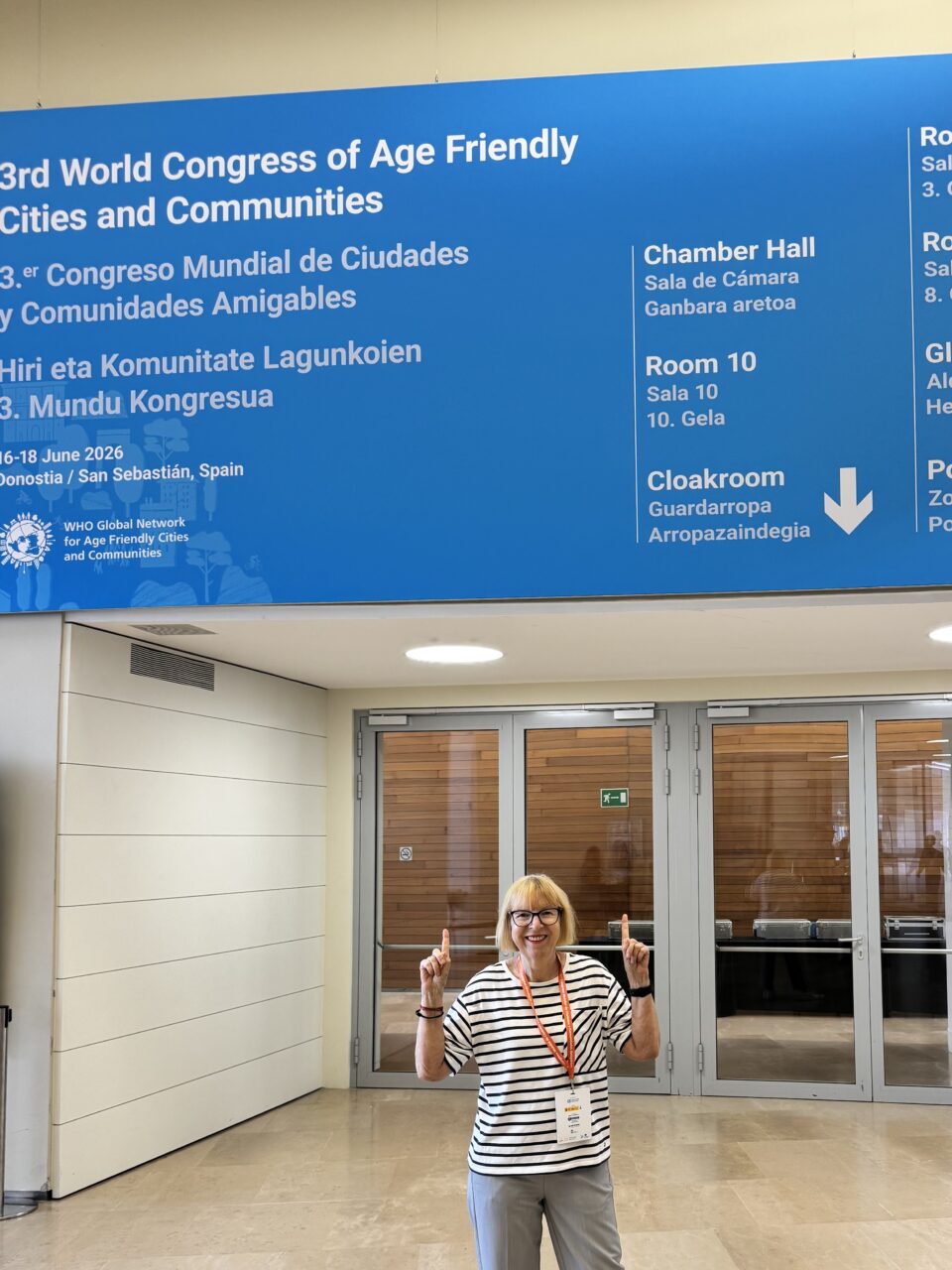
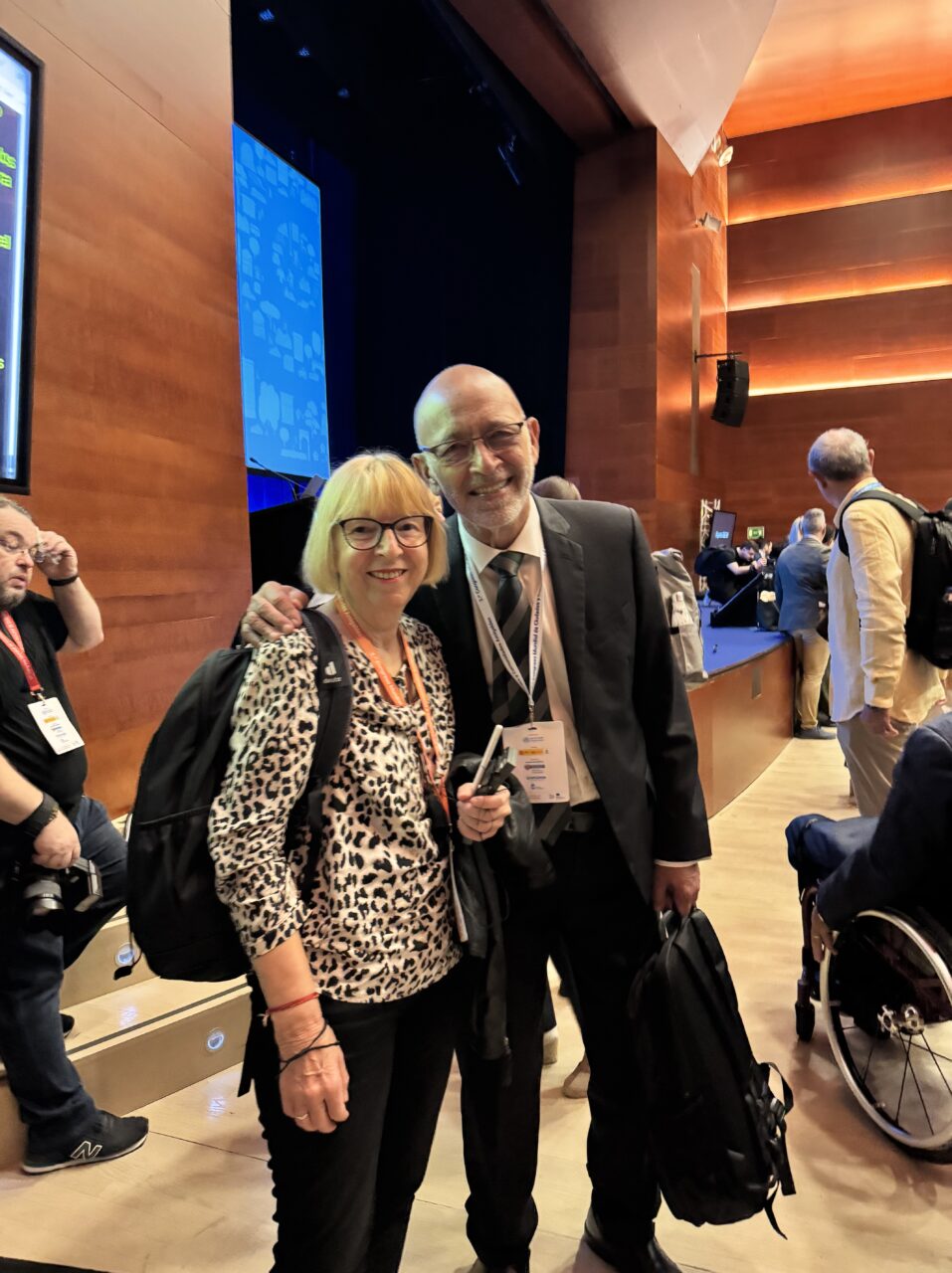
“The best thing that can happen to a child is to grow old,” says Alexander Kalache, who is considered the father of the World Health Organization’s Age-Friendly Cities Network. So he must know what he’s talking about! He is now speaking at the 3rd World Congress on Age-Friendly Cities and Communities in San Sebastián to shed some light on the history of the network, which began in 2007. About 1,800 cities and municipalities have now joined the international network—and Canadians were apparently the first to grasp demographic change and its significance for society. Canada drafted the so-called Vancouver Protocol to systematically assess the needs of older adults worldwide and joined the network as a whole country very early on.
Kalache himself is from Copacabana—a place often associated with young people on the beach. But Copacabana actually has the oldest population in South America. That’s why Alexander Kalache began focusing on demographic change at a very early stage. He believes it’s important to link human rights, equality, and age-friendly environments—and to finally include the Global South much more than has been the case so far. Fun fact: Ina Voelcker, director of the Office for International Senior Policy at BAGSO (Federal Association of Senior Citizens’ Organizations in Germany), was an intern working with him at the time when the first age-friendly cities and municipalities in Brazil joined the network.
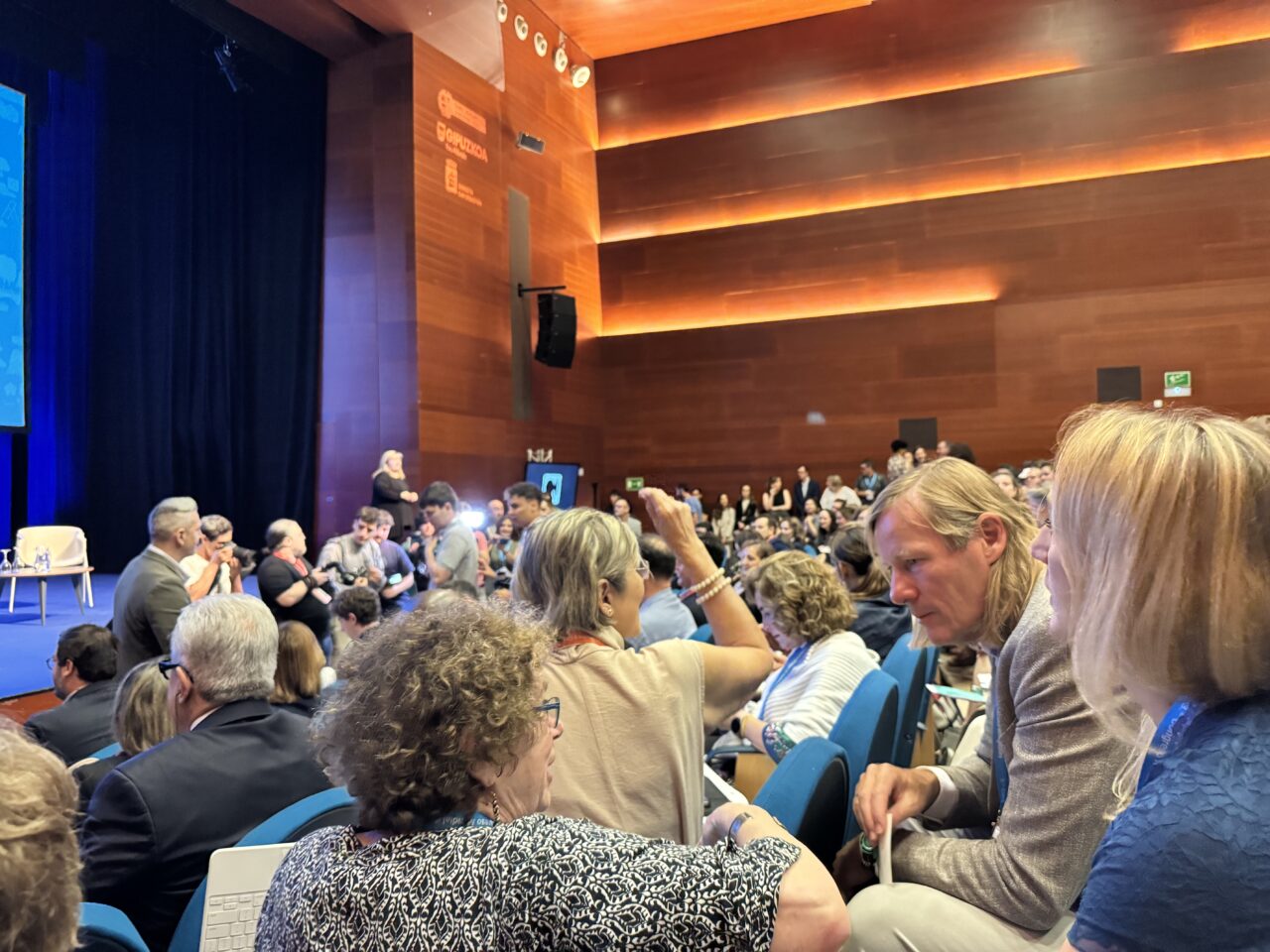
About 800 representatives from Cameroon and Canada, Bulgaria and Brazil, the Arctic Circle and New Zealand have traveled to San Sebastián to exchange ideas. The event kicks off the day before the conference with a discussion on the UN Convention on the Rights of Older Persons.
Silvia Perel-Levin, Vice President of the NGO (non-governmental organization) Committee on Aging at the United Nations in Geneva, emphasizes that we need a legally binding instrument. Work is currently underway on its structure. She urges the conference attendees: “Come to Geneva and get involved. You can also join us live online. We need your voices—join us!” And she hopes for more strong voices—not just friendly ones! “No one should laugh at older people anymore; we need to take a stronger stand. And we need to address intersectionality (i.e., multiple forms of discrimination).”
One thing stands out in San Sebastián: there are benches all over the city, all sidewalks are lowered at crosswalks, and alongside surfers walking barefoot through the city to the beach with their boards and many cyclists, you also see a great many older people walking with walkers, supported by younger people, or using canes. 24% of the population is over 60.
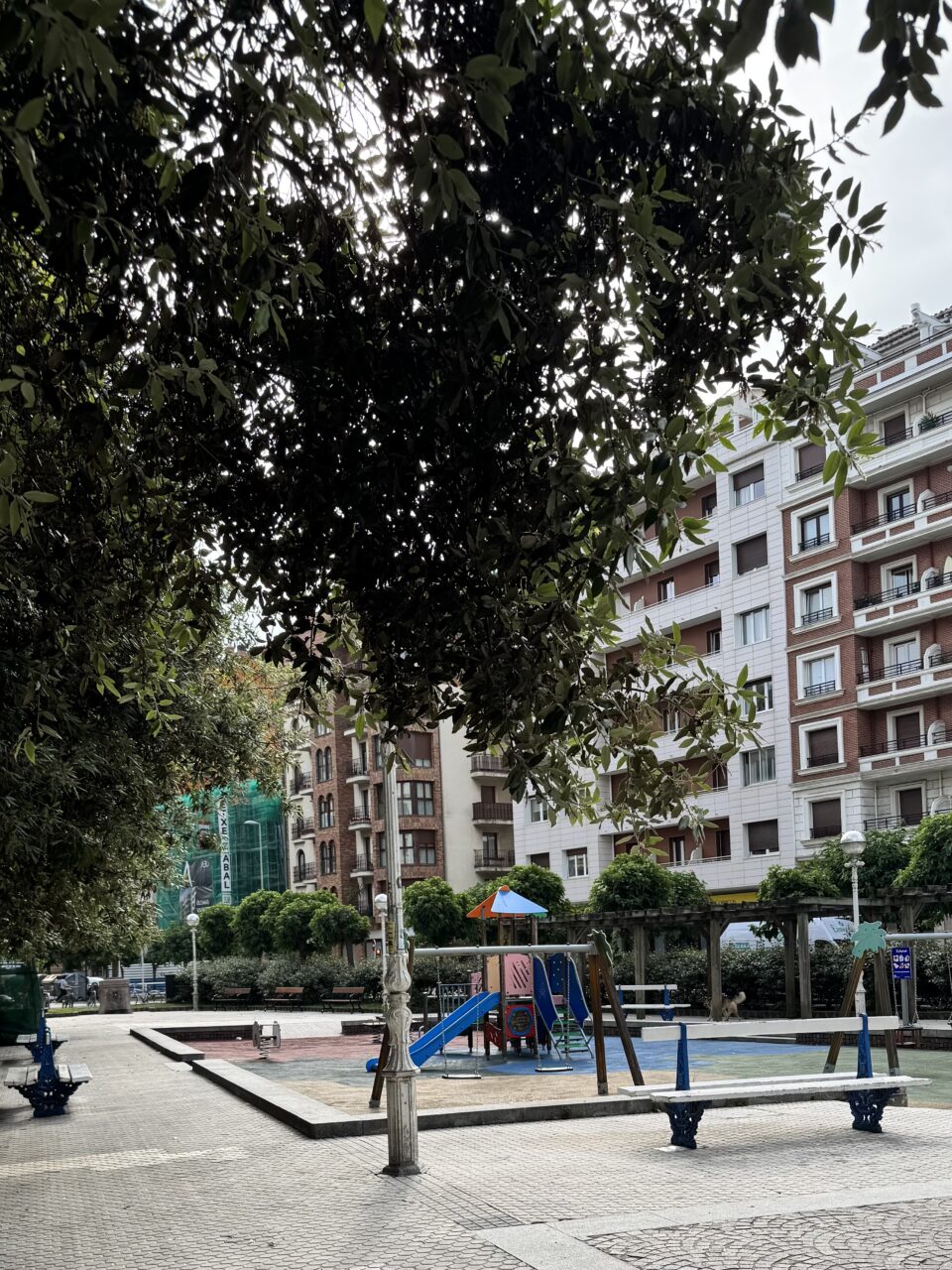
San Sebastián is among the places with a very high life expectancy and was the first Basque city to join the WHO network. There are shared housing projects for young and old, and people there recognize that older adults play a vital role in social cohesion. They also understand that you have to reach out to those who need support—rather than waiting for them to come to the counseling centers (or not come at all)!
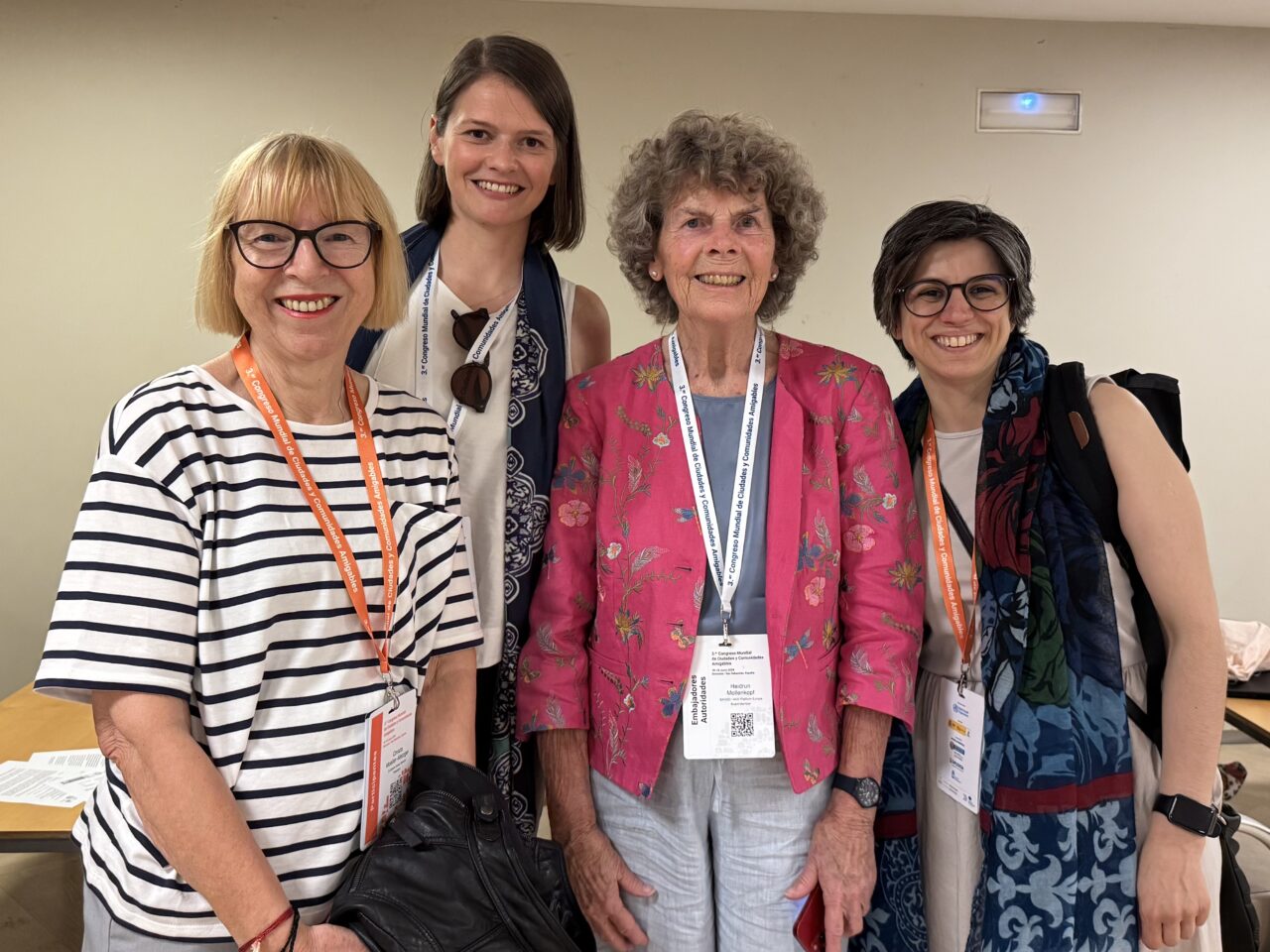
Like Alexander Kalache, Heidrun Mollenkopf from Germany is one of the conference’s ambassadors and chair of AGE Platform Europe, the European umbrella organization for senior citizens’ groups. She explains that, so far, age-friendly environments have always been successfully created where a strong leader has championed the cause. She herself always feels particularly safe in age-friendly cities and communities. After all, it’s about more than just mobility, for example; an attractive and welcoming environment is just as important—for everyone, no matter where they come from.
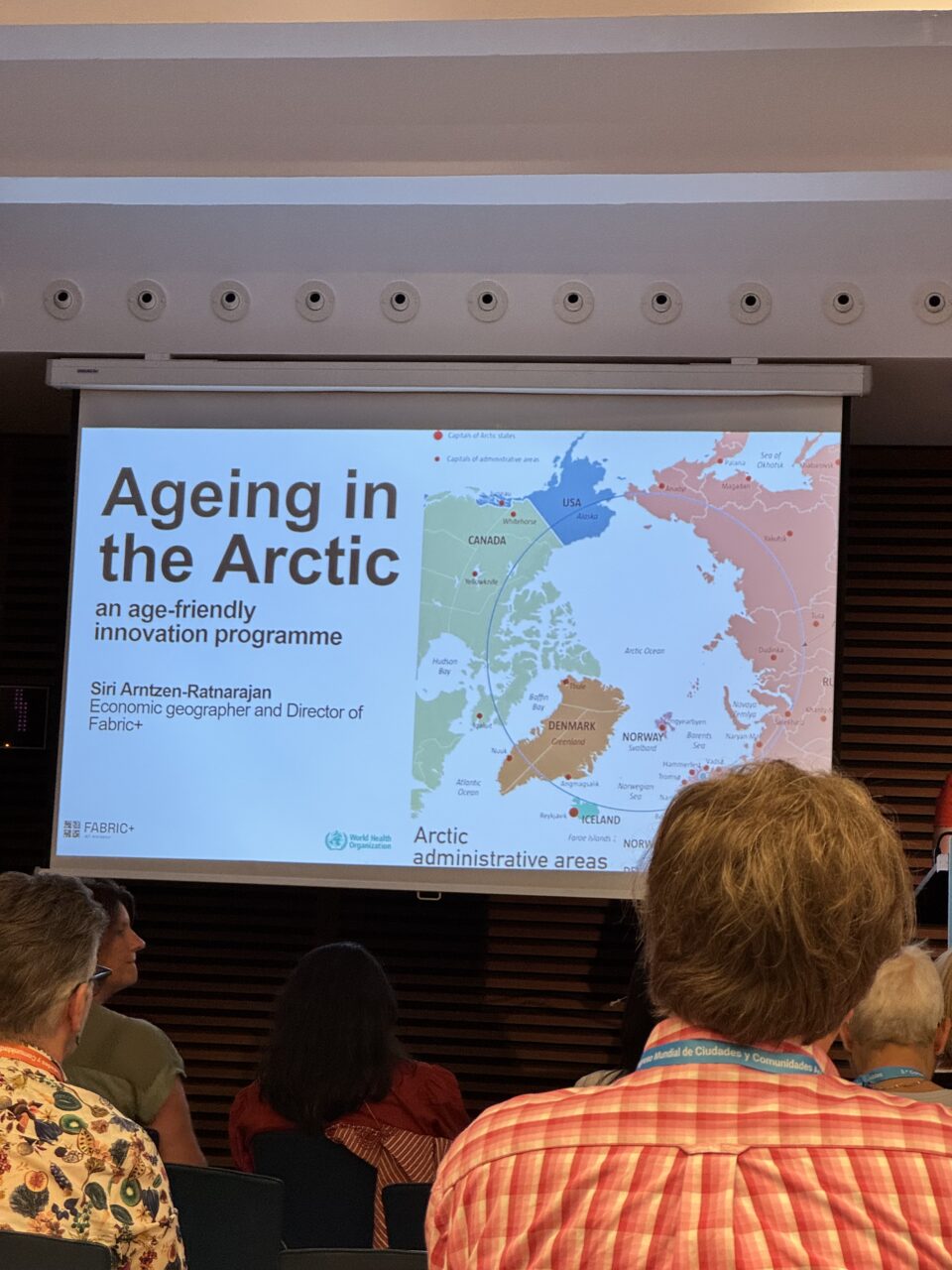
Siri Arntzen-Ratnarajan and Manuela Aguirre launched a project in Bodø in northern Norway. They had noticed that after every winter—which lasts 6–8 months this far north—a wave of dementia swept through the homes.
So they surveyed the approximately 300 older adults in Bodø to find out how they had spent the winter. Many hadn’t dared to leave their homes, were afraid of falling, and often ended up staying alone in their apartments. As a result, an investigation was conducted to determine where most pedestrian accidents occur, and the accident hotspots were quickly identified. The city administration is now keeping a closer eye on these areas and has introduced various measures to prevent accidents in the future. In addition, various projects have been launched—for example, with students to improve living conditions—and the city has examined the situation of older migrants and is working on further ways to prevent the need for long-term care by creating more age-friendly environments.
In Madrid, which has the highest life expectancy in Europe at 86 years, a campaign is currently underway to promote greater respect and participation, as 14% of older adults there suffer from loneliness. Artificial intelligence is also being used in this effort, though it is not intended to replace conversations with people. Digital courses are being offered, for example, in the form of an invitation to coffee and cake with Alexa. The main goal is to spark curiosity. Efforts are also being made to combat misinformation; so far, there is still too little information specifically tailored to older adults, who are particularly prone to falling for fake news.
In Singapore, too, the importance of demographic change has long been recognized. Age-friendly neighborhoods are being identified and developed. The government encourages active aging and even knocks on doors to get older adults out of their homes.
In India, school classes interact with older adults who, for example, teach them yoga exercises.
Thirty years ago, Manchester developed the first action plan for age-friendly cities—and the issues addressed then are still being discussed today. Yet another reason why the UN Convention is so important!
Many presentations and workshops ran concurrently, and there were additional poster presentations. We European Green Seniors had also prepared a poster presentation, in which Christa provided insights into the needs of older adults in Hamburg.
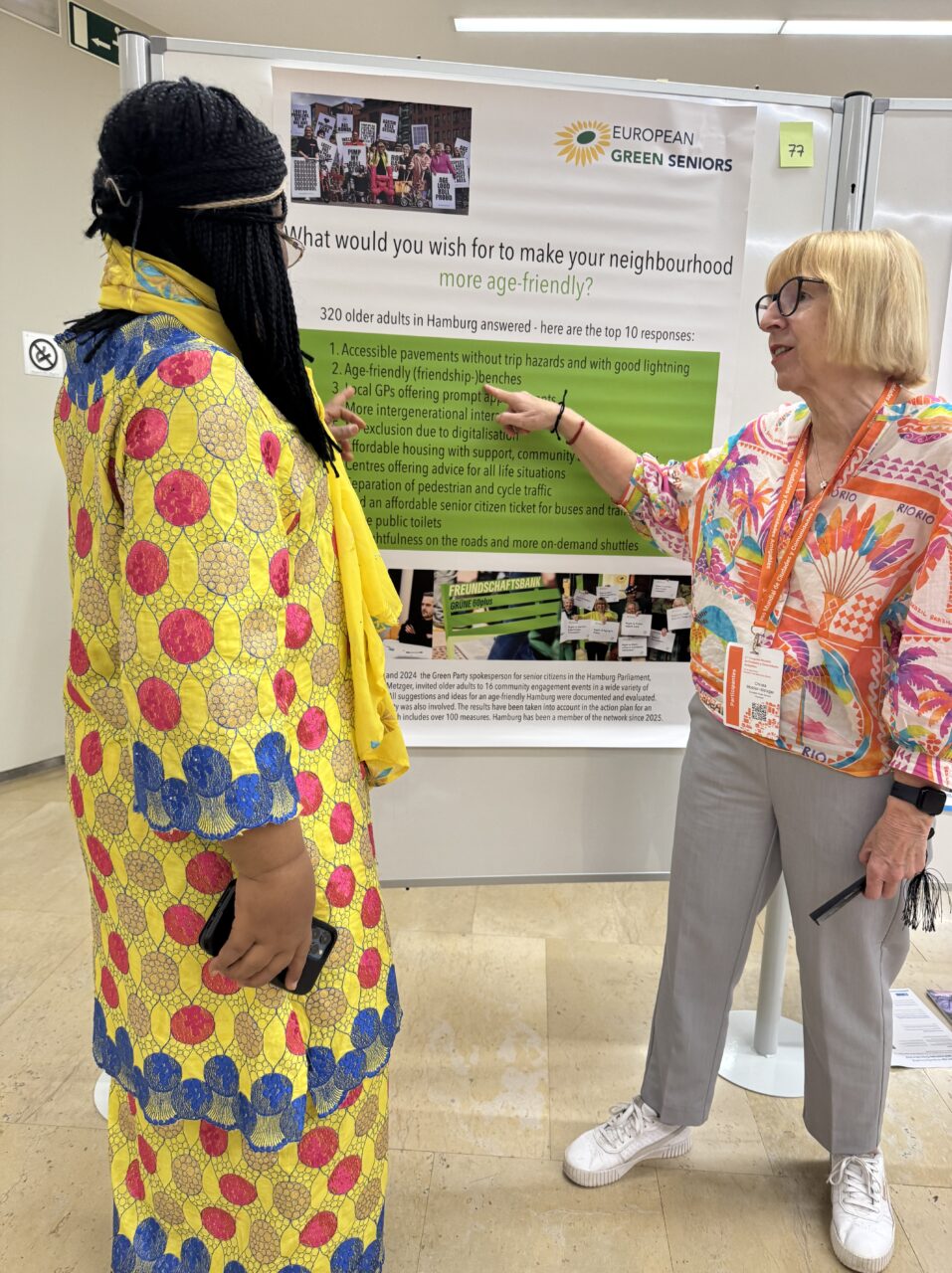
Many participants had never heard of European Green Seniors before, so it was a good opportunity to raise our profile. Christa handed out lots of business cards and flyers. She’ll also be able to show the poster to the AfC task force of AGE Platform Europe.
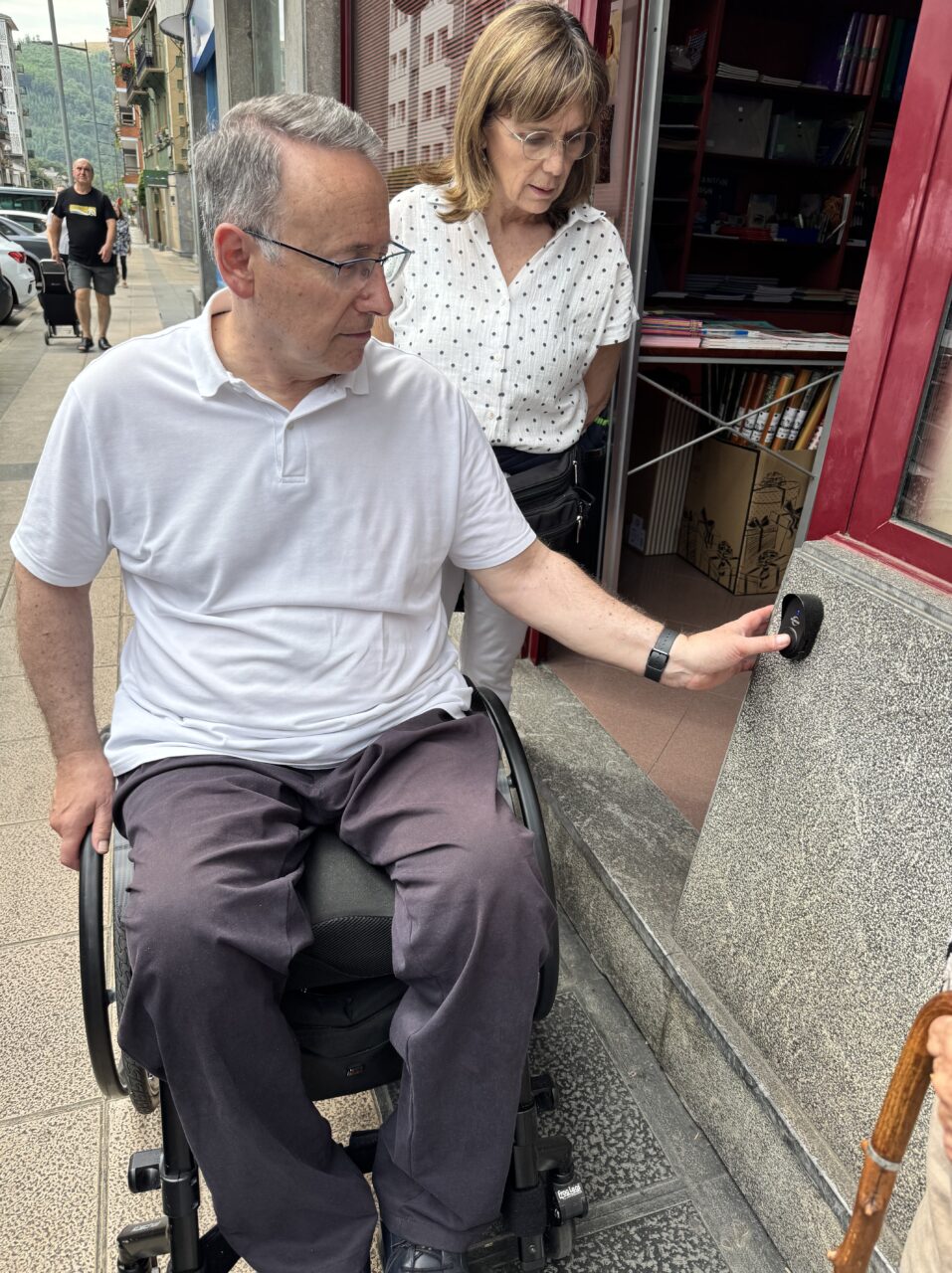
Finally, excursions were offered to some of the 90 age-friendly locations in the surrounding Basque region. For example, to Azkoitia. There, people aged 60 and older and nursing students meet for joint “health walks.” The students receive credit for these hours as part of their internship—a great idea, right? The health walk group also made sure that Michel, who is paraplegic, can shop on his own: They simply installed doorbells outside the local stores, and he places his order through the open door! A simple solution that costs next to nothing.
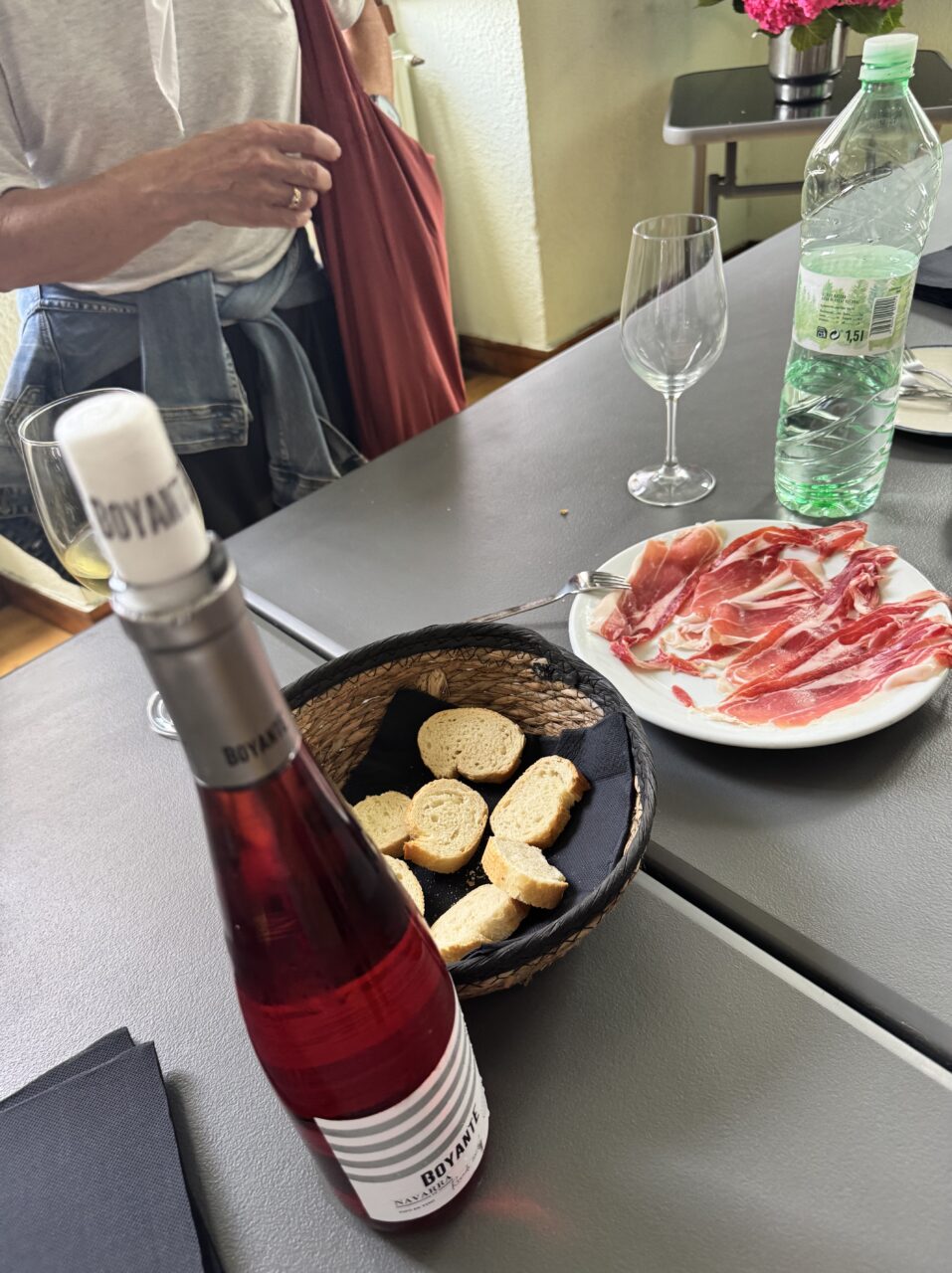
After the tour, there was wine, ham, and tortilla, and the mayor even stopped by! At the end, you could still hear the Basque cheer—the one people used to use to communicate over long distances. Community and traditions are alive and well here—and people are open to new ways of living together harmoniously!
The best part of the conference? The international networking. For anyone who wants more information: Most of the presentations will be published on the AfC website, so there’s plenty to read up on. It’s worth checking out!





comment article